
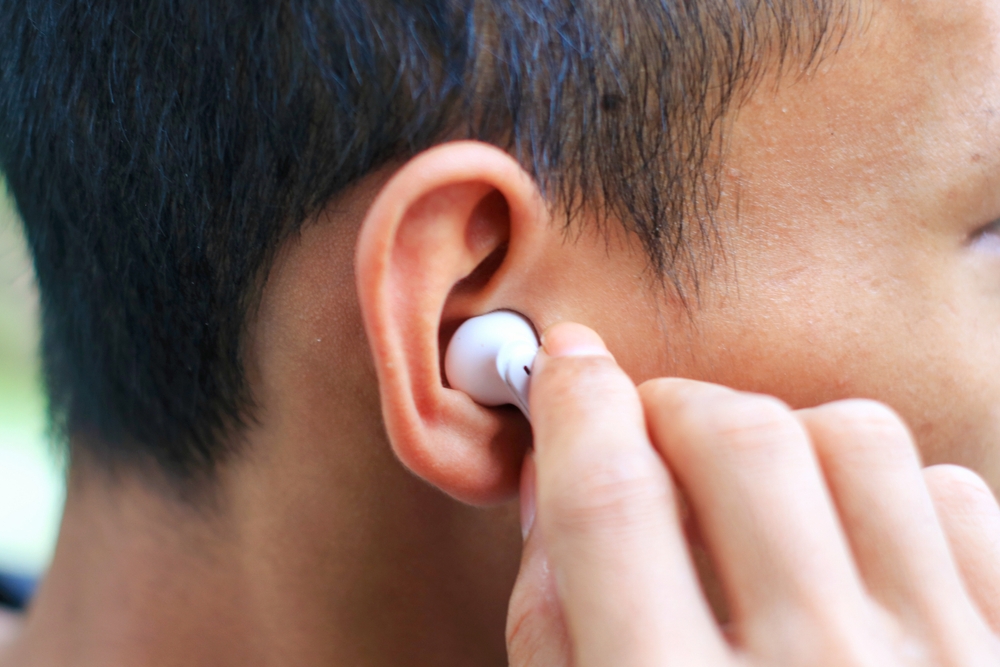
In modern public spaces, the sight of a young person without some form of in-ear audio is rare. While traditional headphones are more substantial in size, adolescents frequently utilize them to create a private acoustic environment. While acoustic enjoyment is universal across all ages, the youth population often utilizes music as a primary tool for time management. Does the immediate physical closeness of these transducers to our ears result in measurable hearing loss? Ultimately, hearing health depends on the management of volume and duration rather than the device category.
When Healthy Listening Becomes Hazardous
Acoustic stimuli can act as a sedative, an emotional balm, or a powerful stimulant depending on the tempo. Much depends on the rhythm and volume of the content being consumed. Utilizing personal audio devices is considered a social courtesy, allowing for private enjoyment in communal spaces. This is a widely appreciated social habit that helps maintain a respectful atmosphere in shared transport settings.
The essential inquiry remains: at what decibel level and timeframe does listening become dangerous? In reality, excessive sound pressure is universally hazardous to the delicate structures of the cochlea. Combining high-intensity sound with extended exposure times can lead to permanent sensorineural damage. Since hearing shifts occur incrementally, the window for prevention has often closed by the time a patient seeks help.
Identifying the Critical Risks of Personal Audio
The intensity of the decibels is the leading risk factor for permanent auditory trauma. However, the duration of the exposure matters as much as the volume.
- According to the NIH, maintaining a threshold below 70 dB ensures safety, even during extended listening periods.
- High-intensity sound waves cause cellular damage in a fraction of the time required by moderate sounds.
- Follow the 60/60 rule. Keep the volume under 60%, and avoid using them longer than 60 minutes at a time.
- Taking control of your volume slider and managing your time is the best defense against hearing loss.
Warning Signs of Hearing Loss
If you notice muffled speech, struggle with background noise, experience **tinnitus**, or constantly require others to speak up, a professional evaluation is necessary.
Contact our office today if you suspect you may have hearing loss.