
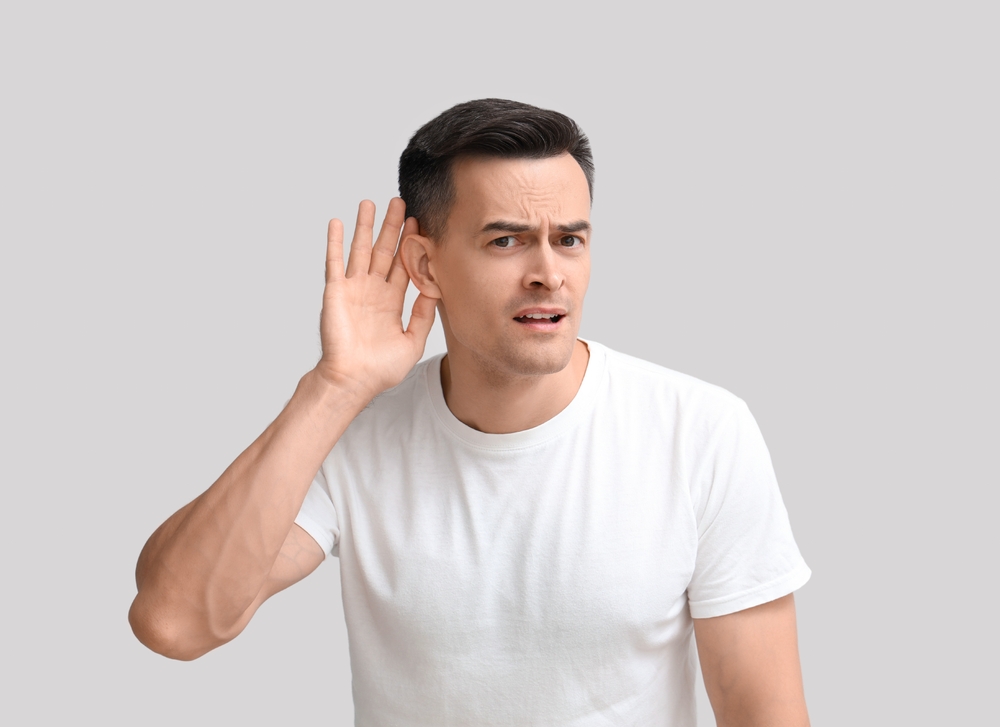
Have you ever felt totally drained after a long conversation or social gathering?
Many individuals mistakenly categorize this depletion as standard daily stress or emotional burnout. While social gatherings are inherently demanding for people with sensory sensitivities, there may be another factor at play. Frequently, this specific type of burnout is actually triggered by chronic auditory fatigue.
Auditory fatigue occurs when the central nervous system must expend excessive energy to decode acoustic signals. If auditory input is degraded, the brain must engage in constant phonemic restoration to bridge the gaps in speech. This persistent neurological demand inevitably results in deep mental and emotional burnout.
It is common for patients to conflate auditory fatigue with general daily exhaustion. However, it can actually be an early sign of hearing difficulties. Only a specialized assessment can isolate the role of hearing loss in your current energy levels. If you notice this pattern happening regularly, talk to your provider about determining whether hearing loss is contributing to your symptoms.
Identifying the Core Drivers of Listening Exhaustion
Several factors can force the brain to work harder during listening, increasing the risk of auditory fatigue.
Why Untreated Hearing Impairment Causes Fatigue
The absence of treatment for hearing loss is the most frequent driver of this neurological strain.
The inability to capture high-frequency sounds forces the brain to work double-time to interpret the message. The mental labor required for constant speech reconstruction causes energy levels to plummet during social interaction.
Auditory Fatigue in Social Settings
Locations with poor acoustics often act as a tipping point for auditory fatigue. Restaurants, meetings, family gatherings, and social events often include background noise competing with speech.
The presence of competing sounds forces the brain’s “noise-cancellation” filters to work at maximum capacity. This biological workload frequently triggers cognitive overload, particularly when any level of hearing loss is present.
How Internal Noise Increases Listening Effort
Chronic tinnitus compounds listening effort as the brain struggles to ignore internal noise while focusing on external speech.
Sound distortion caused by hearing loss can further increase strain, forcing the brain to work even harder to understand speech.
Clinical Red Flags for Auditory Fatigue
This type of fatigue often degrades both your ability to concentrate and your general vitality. Common signs include:
- Sense of being “wiped out” after a basic discussion
- Difficulty concentrating during meetings or group discussions
- Physical head pain triggered by extended periods of listening effort
- A sense of agitation triggered by difficult listening conditions
- Social retreat to avoid the stress of auditory processing
- Compulsive need for rest after navigating a noisy environment
Should these signs become habitual, they serve as evidence of excessive cognitive load.
The Neurology of Effortful Listening
Under optimal conditions, the auditory cortex decodes language with minimal neural expenditure. The presence of hearing loss creates a “resource drain,” pulling energy away from memory and logic to help hear speech.
This state of over-exertion is technically referred to as an elevated cognitive load. The brain is forced to sacrifice higher-level thinking to manage the low-level task of hearing sound. Sustained energy redirection eventually results in a state of total mental insolvency. Standard dialogue, which should be easy, becomes a high-intensity cognitive task.
How a Hearing Test Can Identify the Problem
Should listening effort compromise your quality of life, a clinical hearing test is the essential diagnostic tool. During a comprehensive hearing test, an audiologist will measure how well you hear different tones and speech sounds. Testing your hearing in a noisy context is vital for identifying the true drivers of your social exhaustion.
A professional assessment confirms the link between your ears and your exhaustion, enabling targeted care. Timely audiological care is the most effective way to halt the progression of auditory fatigue.
How Modern Technology Lowers Cognitive Load
Clinical intervention is proven to drastically reduce the mental burden of communication.
Modern hearing aids improve sound clarity by amplifying important speech frequencies and reducing background noise. By delivering a clean signal, these devices eliminate the need for the brain to expend energy on reconstruction.
With restored hearing clarity, you will likely see a boost in:
- General energy levels from morning to evening
- Sharper concentration when speaking with others
- Comfort in social settings
With less strain on the brain, everyday interactions can feel more natural again.
When Should You Schedule a Hearing Test?
Consider booking a hearing test if any of the following rings true:
- You feel exhausted after conversations
- You are increasingly told that you are missing parts of the conversation
- Following a group talk in a restaurant feels nearly impossible
- You avoid social situations because listening feels difficult
Addressing hearing concerns early can help reduce listening strain and improve overall quality of life.
What You Need to Know About Auditory Fatigue
Auditory Fatigue vs. Hearing Loss: What’s the Difference?
No. Auditory fatigue refers to the mental exhaustion caused by intense listening effort. While they are different, hearing loss is the direct driver of most fatigue cases.
Will Hearing Devices Fix My Burnout?
By performing the filtering for you, hearing aids dramatically reduce daily mental exhaustion.
Is This Exhaustion a Permanent Condition?
In many cases, auditory fatigue improves when the underlying cause (like untreated hearing loss) is addressed with proper evaluation and treatment.
Reclaiming Your Energy After Social Events
Socializing should replenish you, not leave you feeling drained. When simple listening becomes a chore, it is a sign of an inefficient auditory processing loop.
Take the first step toward social ease by reaching out for a professional evaluation. Empowerment, confidence, and peace of mind start with understanding what’s happening with your hearing.