Prevalent myths regarding hearing loss frequently act as a barrier to necessary audiological treatment. And with hearing loss, getting the right care at the right time is critical. Subscribing to auditory misinformation can hinder treatment timelines and compromise social connectivity.
Separating hearing truths from common fallacies provides the confidence needed to address auditory changes.
We will now examine seven prevalent auditory myths and the clinical evidence that refutes them.
Myth: Hearing Impairment is Solely a Condition of Aging
Though presbycusis is a standard clinical finding, hearing loss impacts every biological demographic. Noise exposure, genetics, infections, certain medications, and underlying medical conditions can all contribute to hearing problems in younger adults and even children.
The “aging myth” frequently prevents young and middle-aged adults from pursuing an essential hearing test.
2. Myth: If I Can Hear, I Don’t Have Hearing Loss
Clinical hearing loss exists on a spectrum and rarely results in immediate total silence. Often, the issue is not a lack of sound but a lack of speech intelligibility in social settings. A broad range of auditory dysfunctions exists between asymptomatic hearing and complete deafness.
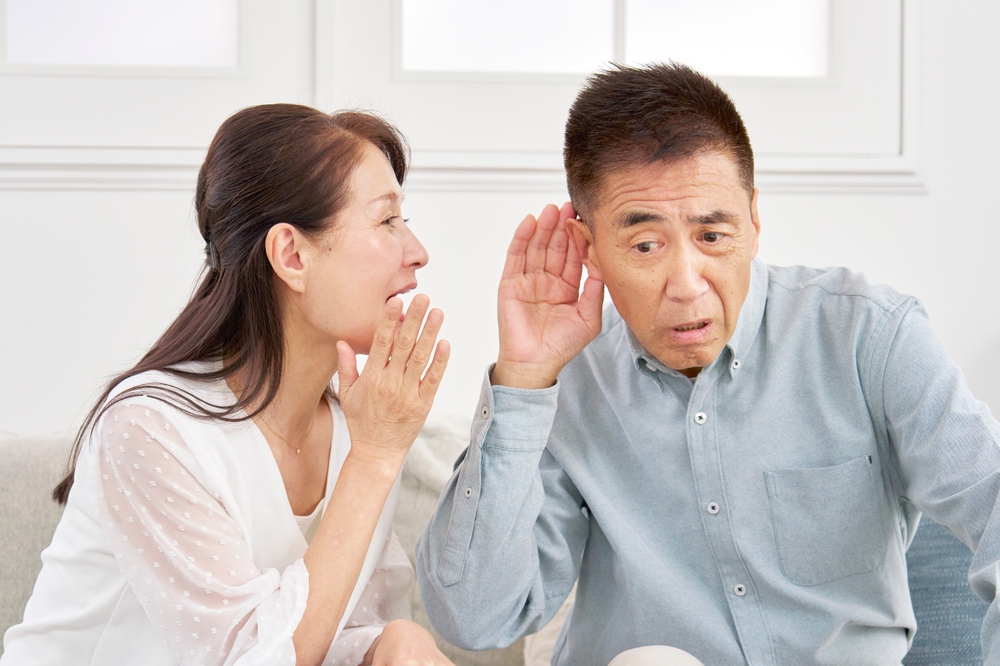
You might notice difficulty following conversations in noisy environments, frequently asking others to repeat themselves, or feeling mentally exhausted after social interactions. Such symptoms are early clinical indicators that the auditory processing system is under stress.
Myth Three: The Misconception of Minor Impact
Ignoring hearing loss creates systemic health risks that impact the entire neurological system. Clinical studies associate untreated impairment with isolation, elevated cortisol levels, and accelerated cognitive decline.
Proactive hearing care is a vital component of maintaining cognitive health and emotional stability.
Myth Four: The Deterioration Fallacy
Some people believe that wearing hearing aids will cause their hearing to deteriorate more quickly, but that is not true.
Hearing aids do not damage your ears. Instead, they amplify sounds based on your hearing test results. Utilizing amplification prevents auditory deprivation, keeping the brain’s speech-processing centers active.
Myth: All Hearing Aids are Bulky and Noticeable
Recent innovations in hearing science have prioritized both power and miniaturization. Modern hardware has reached a peak of efficiency, offering discrete aesthetics with high-fidelity sound. Patients can now choose custom-molded options that sit deep within the ear canal for total discretion.
In addition to their size, modern hearing aids often include beneficial features like background noise reduction, Bluetooth connectivity, and automatic sound adjustments.
Why Even Mild Hearing Impairment Requires Attention
Don’t underestimate “slight” hearing changes; they still disrupt the natural flow of information to the brain. Using hearing help for mild cases reduces the heavy “brain power” usually required to decode speech.
Patients who pursue early help experience a much smoother transition to using hearing technology.
Myth Seven: The Generic vs. Personalized Care Fallacy
While OTC options offer simple volume boosts, they cannot address the unique nuances of your ear health. A professional hearing evaluation ensures that treatment is tailored to your individual needs.
Individualized care ensures your device feels natural while providing crystal-clear sound quality.
Taking Control: Overcoming Misinformation for Better Hearing
While aural changes are intimidating, delaying care only leads to more complex communicative issues. Relying on misinformation ensures that your auditory challenges will become more difficult to manage. A professional assessment is an easy, stress-free way to gain total clarity on your ear health.
Should you perceive even minor shifts in your auditory acuity, a baseline exam is your most critical move. Intervening early is a proven strategy for maintaining a high standard of living through better hearing.
If you want to learn more about your hearing health or schedule a hearing evaluation, our team is here to help! Reach out to our care team now to begin your journey toward better hearing.