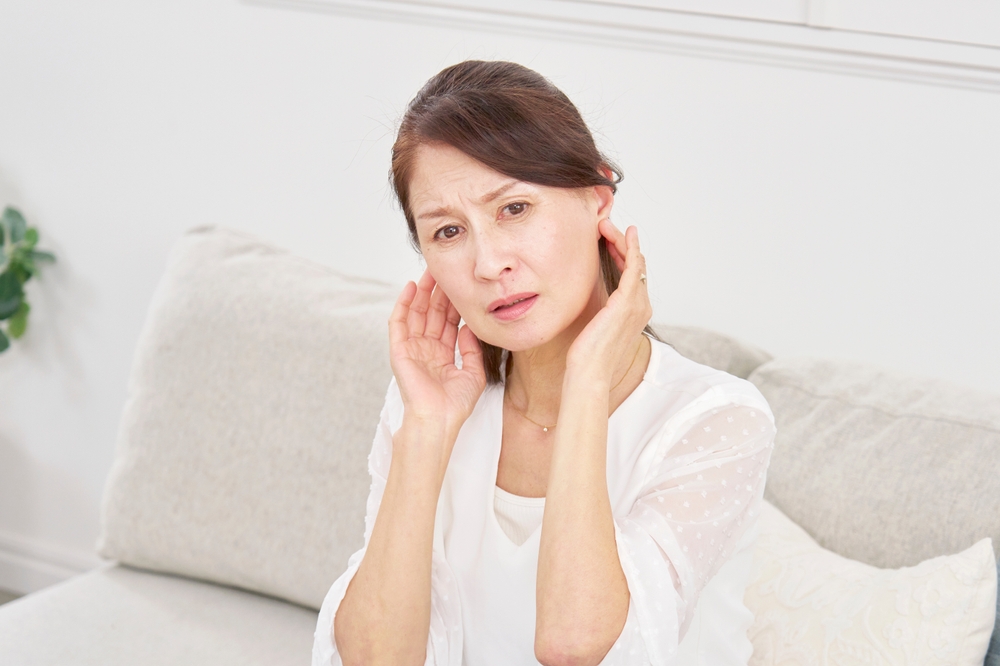
Discovering an unexpected inability to hear after sleep is a truly distressing scenario. This specific hearing impairment is strikingly sudden, often manifesting without any physical discomfort or preliminary symptoms. Though certain triggers are short-term and simple to resolve, others demand rapid clinical assessment.
Analyzing the standard reasons behind sudden deafness and identifying the right time for help is vital for your long-term health. Below, we’re examining sudden hearing loss, possible causes, and when to seek professional care.
Defining the Parameters of Sudden Hearing Loss
This condition involves a quick loss of hearing capacity covering several hours to a limit of three days. The issue frequently impacts a single ear, though bilateral loss is seen in rarer cases. Some people notice muffled sound, while others experience a ringing sensation known as tinnitus, fullness in the ear, or difficulty understanding speech.
Navigating SSHL: A Medical Priority
SSHL stands as one of the most critical conditions for an audiologist to investigate quickly.
We categorize this loss as a failure of the inner ear or the complex nerve systems responsible for sound transmission. The origin is frequently idiopathic, though medical professionals point to several likely contributing elements:
- Decreased vascular supply to the delicate inner ear structures
- Heightened inflammation inside the auditory pathways
- Infection-based auditory damage
- Central nervous system irregularities
Because the window for successful treatment is so narrow, SSHL is handled as an urgent crisis where early care dictates the outcome.
Viral Infections
Specific viral infections can temporarily or permanently affect hearing by inflaming the inner ear or auditory nerve.
Viruses associated with abrupt auditory shifts include:
- Viral cold and sinus infections
- The annual flu virus
- Herpes viruses
- Secondary hearing effects after a COVID-19 infection
Sudden deafness can coincide with viral symptoms, often appearing with vertigo or a feeling of fullness.
Impact and Auditory Trauma
Significant head trauma, abrupt pressure fluctuations, or acoustic shocks are known to damage the fragile components of the hearing system.
Common drivers of trauma-induced hearing loss involve:
- Physical impact to the cranium
- Sudden shifts in ear canal pressure
- Intense acoustic trauma
- Physical displacement of inner ear fluids
Small impacts can impact hearing, especially if symptoms appear quickly afterward.
Conductive Blockages: The Role of Earwax
While less serious than inner ear causes, impacted earwax can still cause sudden hearing changes.
Earwax-related hearing loss may:
- Occur nearly immediately
- Feel like fullness or pressure
- Primarily impact one ear
- Clear up following the expert extraction of the wax
Crucially, you should not assume wax is the cause, as the symptoms of nerve loss often overlap with a simple blockage. Consequently, an expert audiology assessment is essential.
Exploring Secondary Triggers for Hearing Changes
The following conditions are also noted as potential sources of sudden hearing decline:
- Ototoxic drug reactions
- Vascular irregularities in the hearing system
- Abnormal immune responses targeting the auditory system
- Rare growths on the hearing nerve
Undergoing a full hearing workup is the only way to accurately identify or dismiss these factors.
Why Acting Fast Matters for Sudden Hearing Changes
The most important messages around sudden hearing loss is don’t wait and see.
Fast evaluation can:
- Pinpoint underlying issues that can be corrected
- Maximize the potential impact of clinical therapies
- Protect against lasting damage to the hearing nerve
- Minimize the impact on your future ability to communicate
Detailed hearing tests are the primary tool for categorizing the impairment and establishing a recovery plan.
When Rapid Hearing Changes Require an Immediate Call
It is imperative to consult a professional immediately if you notice the following:
- Sudden hearing loss in one or both ears
- A loss of hearing accompanied by vertigo or lack of coordination
- Abrupt auditory buzzing or a feeling of congestion
- Loss of hearing that manifests after a medical event or head impact
Even if hearing returns partially, evaluation is still important to find out what’s going on.
Hearing Testing for Quick Answers
A professional test provides an immediate answer as to if the impairment is:
- Conductive in nature, often caused by mechanical obstructions
- Nerve-based (inner ear or nerve-related)
- Likely to be short-term or a permanent impairment
Swift testing is the foundation for timely medical action and superior long-term results.
Prioritizing Your Auditory Health and Peace of Mind
Sudden hearing loss is bound to feel alarming, but the sooner you seek care, the more options you may have to address it.
Upon noticing an unexpected change in your hearing, getting a professional evaluation can protect your auditory wellness and your peace of mind. Our team is ready if you experience sudden hearing loss: Call our care team as soon as possible at our office for the help you need.