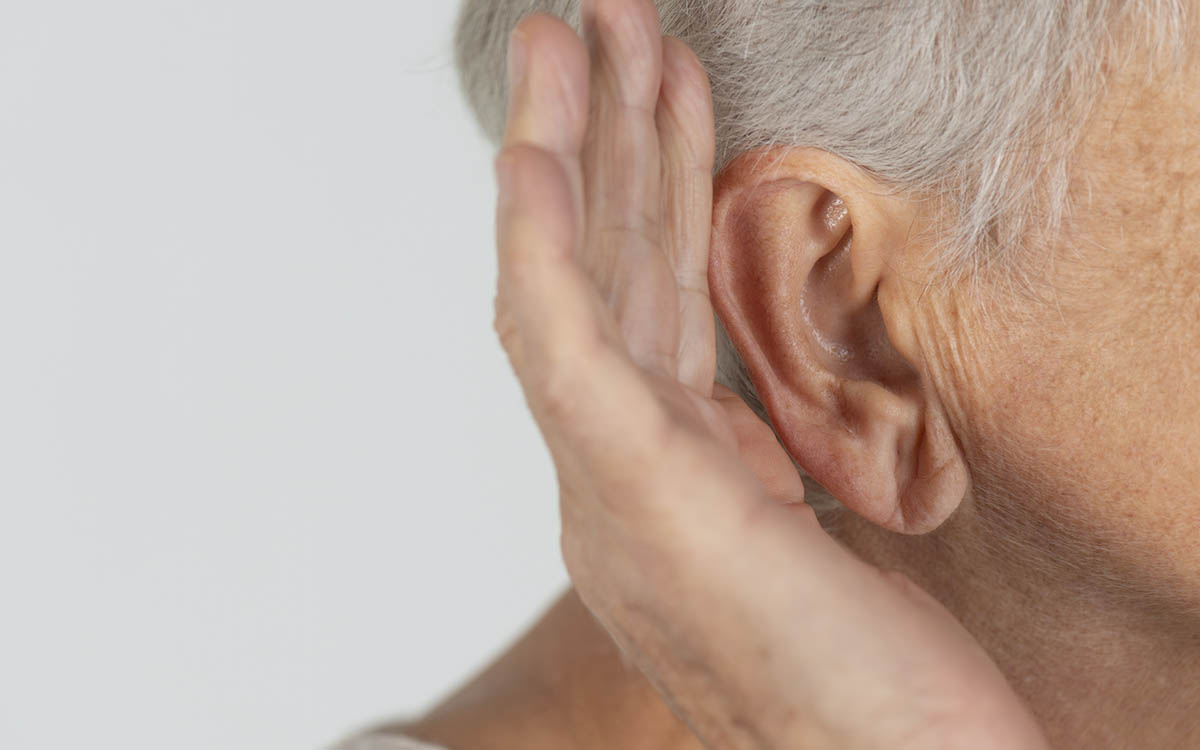
Public perception frequently ties hearing loss to the aging process, however, for millions in the U.S., hearing damage begins much sooner. Noise-induced hearing loss represents a common, preventable auditory pathology, advancing subtly and remaining undiagnosed until the clinical effects are permanent.
An objective understanding of noise-related auditory impact over time facilitates proactive protection before significant hearing loss occurs.
Understanding the Clinical Nature of Sound-Triggered Hearing Loss: A Pathophysiological Analysis
Noise-induced hearing loss occurs when loud sounds damage the delicate structures inside the inner ear. According to the Centers for Disease Control and Prevention, sustained or frequent exposure to sounds exceeding 85 decibels, such as heavy traffic, can initiate auditory damage. Intense noise sources, specifically firearms or industrial tools, can compromise hearing integrity within a very brief timeframe.
Inside the inner ear are tiny sensory cells called hair cells. These receptors facilitate the conversion of acoustic vibrations into electrical signals decoded by the brain. The inability of hair cells to regenerate after trauma explains why noise-induced hearing loss results in a permanent auditory deficit.
Analyzing the Incremental Progression of Ear Damage
One of the most concerning aspects of noise-induced hearing loss is that it often develops slowly. Early exposure may cause symptoms like:
- Short-term episodes of Tinnitus or buzzing within the ears
- Subjective hearing attenuation or muffling after high-decibel events
- Impaired speech discrimination in the presence of background noise
Initial symptoms may subside, frequently resulting in the incorrect assumption that hearing function has returned to baseline. Actually, subsequent noise events continue to degrade internal ear structures, incrementally diminishing auditory acuity and threshold sensitivity.
The Hearing Loss Association of America reports that approximately 48 million Americans experience some degree of hearing loss, often without realizing the cause.
Everyday Acoustic Sources That Can Cause Auditory Injury
The prevalence of loud sounds in daily life often results in a dangerous desensitization to harmful noise levels. Consequently, the frequency of hazardous noise exposure is often underestimated.
Identified hazardous sources may include:
- Concert settings and loud musical performances
- Headphones played at high volumes
- Gas-powered lawn tools, industrial machinery, and motorcycles
- Workplace noise in construction, manufacturing, or warehouses
Because these sounds are often part of daily life, damage can accumulate without clear warning signs.
Prioritizing Prophylactic Measures in Clinical Hearing Management
Noise-induced hearing loss is physiologically irreversible, unlike many other health impairments. Despite its permanence, the condition is significantly preventable. Adopting straightforward preventative behaviors can markedly decrease the likelihood of injury, including:
- Using earplugs or noise-reducing earmuffs in loud environments
- Modulating audio output levels and observing 60/60 rule constraints
- Implementing quiet intervals to permit the auditory system to rest
- Arranging for routine Audiology assessments if noise exposure is frequent
Professional Benchmarks for Requesting Audiology Services
If you notice persistent ear ringing, difficulty following conversations, or changes in hearing clarity, you should seek evaluation from a hearing professional. Prompt clinical evaluation is vital for tracking auditory status and formulating effective hearing preservation plans.
Prioritizing auditory health now ensures the preservation of hearing clarity for the future. Exposure to noise is frequent, yet hearing loss can be successfully avoided through proper care. We invite you to schedule an appointment with our team to optimize your hearing function.